Why Budgeting is Essential for Financial Success
Ever feel like your money disappears before the month is over? You’re not alone. Many Canadians struggle with managing their finances, and a budget can be the game-changer you need. A solid budget helps you take control of your money, reduce stress, and achieve financial goals without feeling deprived.
In this post, we’ll cover nine crucial things you need to know about creating a budget that works for you. From common budgeting mistakes to the best tools available, this guide will help you master your finances.
1. A Budget is Not a Restriction, It’s a Roadmap
One of the biggest misconceptions about budgeting is that it’s all about cutting back and sacrificing fun. But a budget isn’t about restricting yourself—it’s about empowering yourself. Think of it as a financial roadmap that tells your money where to go, rather than wondering where it went.
How to Shift Your Mindset:
- View your budget as a tool for freedom, not limitation.
- Plan for things you enjoy—entertainment, dining out, and vacations—within reasonable limits.
- Remember, a good budget reflects your priorities, not just your expenses.
2. Know Your Income and Expenses
Before creating a budget, you need to know exactly how much money is coming in and where it’s going out. Many people underestimate their spending, which leads to budget shortfalls.
Steps to Track Your Income and Expenses:
- Gather your pay stubs, government benefits, and any side income.
- Review the last three months of bank and credit card statements.
- Use a budgeting app, to categorize your spending, but be aware if they link to your bank, you are on the hook if there is a problem.
- or as we prefer, use a free spreadsheet from among our Free Planning Materials. Since all of the information remains on your computer or tablet, the risk of compromise drops dramatically.
3. The 50/30/20 Rule Can Make Budgeting Simple
If you’re new to budgeting, following the 70-20-10 rule or 50-30-20 budgeting rule can make things easier.

Breakdown of the 50/30/20 Rule:
- 50% of your income covers needs (rent, groceries, utilities).
- 30% goes toward wants (entertainment, shopping, hobbies).
- 20% is dedicated to savings and debt repayment.
This method ensures you prioritize essentials while still having room for fun and future security.

4. Emergency Funds Are a Must
Unexpected expenses can throw your budget into chaos. A car repair, a medical bill, or a job loss can derail your financial plans if you’re not prepared.
How to Build an Emergency Fund:
- Aim for 3 to 6 months’ worth of living expenses.
- Start small—$500 to $1,000 can be a great first goal.
- Keep it in a high-interest savings account, like those offered by Canada’s best savings accounts.
5. A Budget Helps You Pay Off Debt Faster
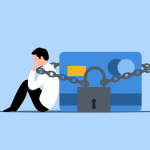
If you’re carrying credit card debt or student loans, a budget is your best weapon against high-interest payments. Prioritizing debt repayment can save you thousands in interest over time.
Effective Debt Payoff Strategies:
- List All Your Debts: Write down all your debts, including credit cards, personal loans, car loans, and student loans. Ignore interest rates for now—just focus on the balance owed.
- Sort Debts from Smallest to Largest: Arrange your debts in order from the smallest balance to the largest. For example:
- Credit Card A: $500
- Personal Loan: $2,000
- Credit Card B: $4,500
- Car Loan: $10,000
- Make Minimum Payments on All but the Smallest Debt: Keep paying the minimum required payment on every debt to avoid late fees and penalties.
- Put Extra Money Toward the Smallest Debt: Any extra money—whether from side income, budget cuts, or bonuses—should go toward paying off the smallest debt as quickly as possible.
- Celebrate the Win and Move to the Next Debt: Once the smallest debt is fully paid, roll the amount you were paying into the next smallest debt. This increases your available funds for repayment and speeds up the process.
- Credit Card A: $500 (minimum payment: $25)
- Personal Loan: $2,000 (minimum payment: $50)
- Credit Card B: $4,500 (minimum payment: $75)
- Pay $225 toward Credit Card A ($25 minimum + $200 extra).
- Pay $50 minimum on the Personal Loan.
- Pay $75 minimum on Credit Card B.
- Psychological Boost: Small wins create momentum and motivation to keep going.
- Simple and Easy: You don’t have to calculate interest rates—just focus on the balance.
- Reduces Stress: Seeing debts disappear quickly builds confidence in your financial progress.
- People who need motivation to stay committed to debt repayment.
- Those who feel overwhelmed by multiple debts and need a structured plan.
- Anyone who prefers quick, visible progress rather than purely maximizing interest savings.
- List All Your Debts: Write down all your outstanding debts, including credit cards, loans, and lines of credit.
- Sort Debts by Interest Rate: Arrange them in order from the highest to the lowest interest rate, like this:
- Credit Card A: $4,000 at 19.99% interest
- Personal Loan: $3,000 at 9.99% interest
- Car Loan: $10,000 at 6.5% interest
- Student Loan: $5,000 at 5.0% interest
- Make Minimum Payments on All Debts: Continue paying the minimum required payment on each debt to avoid late fees.
- Throw Extra Money at the Highest-Interest Debt: Any extra cash you have—whether from cutting expenses, a side hustle, or a bonus—should go toward the debt with the highest interest rate.
- Repeat Until Debt-Free: Once the highest-interest debt is paid off, take the amount you were paying on it and apply it to the next highest-interest debt, creating a snowball effect.
- Credit Card A: $4,000 at 19.99% interest (minimum payment: $150)
- Personal Loan: $3,000 at 9.99% interest (minimum payment: $100)
- Car Loan: $10,000 at 6.5% interest (minimum payment: $250)
- Pay $350 toward Credit Card A ($150 minimum + $200 extra).
- Pay $100 minimum on the Personal Loan.
- Pay $250 minimum on the Car Loan.
- Pay $450 toward the Personal Loan ($100 minimum + $350 extra).
- Pay $250 minimum on the Car Loan.
- Minimizes Interest Costs: You’ll pay less in interest over time compared to the Snowball Method.
- Gets You Debt-Free Faster: Because you reduce the total cost of debt, you reach financial freedom sooner.
- Best for Mathematically-Minded People: If you’re motivated by numbers and efficiency, this method is ideal.
- People who want to pay the least amount of interest possible.
- Those with high-interest debt (e.g., credit cards, payday loans).
- Anyone who is disciplined enough to stick to a plan without needing quick wins for motivation.
- Use a Free Planning Materials that will work for you.
The Snowball Method: Pay Off the Smallest Debt First for Motivation
The Snowball Method is a popular debt repayment strategy that focuses on paying off your smallest debts first while making minimum payments on larger ones. The idea is to build momentum—like a snowball rolling downhill—by eliminating small debts quickly, which boosts motivation and keeps you engaged in the process.
How the Snowball Method Works
Example of the Snowball Method in Action
Let’s say you have $300 per month to put toward debt:
Instead of splitting extra payments across all debts, you throw all extra funds at Credit Card A while paying the minimum on the others:
Within about two months, Credit Card A is gone! Then, you take that $225 and add it to the $50 minimum on the Personal Loan, increasing payments to $275 per month. This accelerates repayment until it’s cleared, and then you roll everything into Credit Card B.
Why the Snowball Method Works
Who Should Use the Snowball Method?
When the Snowball Method Might NOT Be the Best Choice
If your highest-interest debt is also one of your largest, using the Avalanche Method—which targets the highest interest rates first—may save you more money in the long run. But if you struggle with motivation, the Snowball Method is often the better choice.
The Avalanche Method: Pay Off the Highest-Interest Debt First to Save the Most Money
The Avalanche Method is a debt repayment strategy designed to minimize the amount of interest you pay over time. Instead of focusing on the smallest debts (like in the Snowball Method), the Avalanche Method prioritizes debts with the highest interest rates. By tackling high-interest debts first, you reduce the total cost of borrowing and become debt-free faster.
How the Avalanche Method Works
Example of the Avalanche Method in Action
Let’s say you have $500 per month available for debt repayment, and your debts are:
Instead of spreading extra payments across all debts, you focus on the highest-interest debt first:
Since Credit Card A has the highest interest rate, eliminating it first saves you the most money. Once it’s gone, you take the full $350 and apply it to the next highest-interest debt (the Personal Loan), making your new payments:
This process continues until all debts are eliminated, saving you thousands in interest payments.
Why the Avalanche Method Works
Who Should Use the Avalanche Method?
When the Avalanche Method Might NOT Be the Best Choice
If you struggle with motivation and need quick wins to stay committed, the Snowball Method might be a better fit. The Avalanche Method makes the most financial sense, but it requires patience—especially if your highest-interest debt is also your largest balance.
For more debt repayment strategies, check out this guide on debt repayment strategies.
6. Automation Makes Budgeting Easy
Let’s face it—sticking to a budget can be hard. But automation takes the stress out of money management by ensuring your bills, savings, and debt payments are handled automatically.
What to Automate:
- Set up direct deposit for savings contributions.
- Use auto-pay for bills to avoid late fees.
- Use free budgeting apps from Canadian banks, like RBC’s NOMI or TD MySpend which integrate your accounts with your budget.
7. Tracking Spending is Key
Most people don’t realize where their money goes until they track it. Small daily purchases—like coffee runs and impulse buys—can add up to hundreds of dollars a month.
How to Track Your Spending:
- Use paid apps like Credit Karma or You Need A Budget (YNAB).
- Better, and safer, use a free spreadsheet from among our Free Planning Materials
- Review your transactions weekly and adjust as needed.
8. Your Budget Should Be Flexible
Your budget isn’t set in stone. Life changes—income fluctuates, expenses shift, and unexpected costs arise. The key is to adjust your budget regularly.
How to Adapt Your Budget:
- Review your budget monthly and make necessary tweaks.
- Build in buffer funds for unexpected expenses.
- Re-evaluate your financial goals every six months.
9. Sticking to a Budget Requires Discipline and Patience
Creating a budget is one thing, but sticking to it is another. The key is to stay motivated and remind yourself of the bigger picture—financial freedom, stress-free living, and reaching your goals.
Tips for Staying on Track:
- Use a visual tracker to see your progress.
- Celebrate small wins—like saving an extra $50 or paying off a debt.
- Remind yourself why you started—financial security is worth it.
Final Thoughts
Budgeting doesn’t have to be a chore—it’s a powerful tool that helps you take control of your finances and build the future you want. By following these nine principles, you’ll be on your way to a stress-free and financially secure life.
Looking for more budgeting tips? Check out Manage Your Money for expert advice tailored for Canadians!
 The Money Reservoir, a system for managing irregular income.
Disclaimer for ManageYourMoney.ca
The information provided on ManageYourMoney.ca is intended for educational and informational purposes only. It should not be taken as financial advice. The opinions shared are those of the authors and are meant to encourage sensible financial habits and decision-making. We recommend that you do your own research or consult a certified financial advisor before making any financial or investment decisions. All investments come with risks, and there is no guarantee of success. Past performance is not a reliable indicator of future results. Always consider your personal financial situation and risk tolerance before pursuing any investment opportunities.
As always, I am not a qualified financial advisor. I just relate financial management to my own experience which may not resemble yours at all. Advice is frequently worth exactly what you paid for it. Most of mine came from expensive experiences.
Please share your thoughts in the comment section below.
